


Premium Samburu National Reserve Safari Guide 2026/2027
Samburu National Reserve offers one of Kenya’s most distinctive safari experiences, combining rare northern wildlife, dramatic semi-arid landscapes and the life-giving Ewaso Nyiro River.
Unlike the greener plains of the Masai Mara, Samburu reveals a wilder side of Kenya where elephants, big cats and the Samburu Special Five can be observed within a beautiful and less-travelled ecosystem.
The reserve is an excellent addition to a premium Kenya safari or an extended Kenya and Tanzania safari package.
Why Visit Samburu National Reserve?
Samburu National Reserve is recommended for travellers looking for exceptional wildlife beyond Kenya’s traditional safari circuit. Its rugged hills, doum palms, open savannahs and riverine forests create a dramatic setting for game drives and wildlife photography. Samburu also offers opportunities to find rare northern species that are difficult to see in the Masai Mara, Amboseli and Tanzania’s northern parks.
Where Is Samburu National Reserve Located?
Samburu National Reserve is located in northern Kenya, approximately 310 kilometres from Nairobi. It lies beside the Ewaso Nyiro River and forms part of a larger conservation ecosystem that includes Buffalo Springs and Shaba National Reserves. Its remote location contributes to the reserve’s peaceful character and makes it suitable for travellers seeking a more exclusive safari experience.
What Is Samburu National Reserve Famous For?
Samburu is famous for the Samburu Special Five, impressive elephant encounters, beautiful leopards and the Ewaso Nyiro River.
The reserve is also associated with Samburu culture and some of Kenya’s most striking dry-country scenery.
Its rare wildlife and distinctive landscapes make it an excellent destination for returning safari travellers and first-time visitors interested in experiencing more than the standard Kenya itinerary.
What Are the Samburu Special Five?
The Samburu Special Five are the Grevy’s zebra, reticulated giraffe, Beisa oryx, gerenuk and Somali ostrich.
These animals are specially adapted to the dry landscapes of northern Kenya and are not commonly encountered in the country’s southern parks. Searching for all five with an experienced guide is one of the most memorable parts of a Samburu safari.
1. Grevy’s Zebra
The Grevy’s zebra is larger than the common plains zebra and can be recognized by its narrow stripes, white belly and rounded ears. It is an endangered species associated mainly with northern Kenya and parts of Ethiopia, making a Samburu safari an important opportunity to observe this remarkable animal in its natural environment.
2. Reticulated Giraffe
The reticulated giraffe is distinguished by its sharply defined reddish-brown patches separated by bright white lines. Its elegant pattern makes it one of Samburu’s most photographed animals. Visitors may see these giraffes feeding on acacia trees or moving gracefully through the reserve’s open woodland.
3. Beisa Oryx
The Beisa oryx is a powerful desert-adapted antelope with long, straight horns and distinctive black facial markings. It can survive in hot, dry environments where water may be limited. Its striking appearance and calm posture make it a rewarding subject for wildlife photographers.
4. Gerenuk
The gerenuk is often called the giraffe gazelle because of its long neck and slender body. It is famous for standing upright on its hind legs to reach leaves that other antelopes cannot access. This unusual feeding behaviour is one of the unique wildlife scenes visitors may witness in Samburu.
5. Somali Ostrich
The Somali ostrich differs from the common ostrich and is recognizable in adult males by its bluish neck and legs. It is adapted to the arid environments of northern Kenya. Samburu provides excellent opportunities to observe these impressive birds walking across the open plains.
Which Animals Can You See in Samburu?
In addition to the Samburu Special Five, the reserve supports elephants, lions, leopards, cheetahs, African wild dogs, buffaloes, hippos, crocodiles, warthogs, baboons and several antelope species.
Wildlife frequently gathers near the Ewaso Nyiro River, especially during drier periods.
Sightings are natural and cannot be guaranteed, but an experienced Samburu guide can identify tracks, habitats and recent animal movements.
Is Samburu a Good Place to See Elephants?
Samburu is one of Kenya’s most rewarding destinations for observing elephants.
Family herds frequently travel through the reserve and gather around the Ewaso Nyiro River to drink, feed and cool themselves.
Watching elephants beneath doum palms or crossing the riverbed creates some of the most memorable photography opportunities in northern Kenya.
Can You See Leopards in Samburu?
Samburu is highly regarded for leopard sightings because the riverine woodland, rocky terrain and thick vegetation provide suitable habitat for these secretive predators.
Leopards may rest in trees, move along the river or hunt during cooler hours. Sightings are never guaranteed, but well-planned morning and evening game drives can improve the possibility of an encounter.
What Is the Ewaso Nyiro River?
The Ewaso Nyiro River is the principal water source supporting wildlife within the Samburu ecosystem.
Elephants, antelopes, predators and birds gather along its banks, particularly when conditions become dry. Although its water level changes according to rainfall, the river creates an important green corridor through Samburu’s otherwise arid landscape.
When Is the Best Time to Visit Samburu?
Samburu National Reserve can be visited throughout the year, but the drier periods from January to February and June to October are often preferred for wildlife viewing.
During these months, animals may gather near reliable water sources, making them easier to locate.
The greener seasons offer dramatic scenery, attractive light and rewarding birdwatching, although rainfall can occasionally affect road conditions.
How Many Days Are Recommended in Samburu?
Two to three nights are recommended for a Samburu safari. This allows enough time for several morning and afternoon game drives without making the experience feel rushed.
Travellers interested in photography, rare wildlife or visiting neighbouring reserves may prefer three or four nights to explore the wider Samburu ecosystem at a relaxed pace.
How Do You Travel From Nairobi to Samburu?
Travellers can reach Samburu from Nairobi by road or domestic flight.
A private road transfer normally requires approximately five to seven hours, depending on traffic, stops and road conditions.
Scheduled flights from Nairobi’s Wilson Airport can significantly reduce travel time and are particularly suitable for premium or luxury Samburu safari packages.
Can Samburu Be Combined With the Masai Mara?
Samburu and the Masai Mara offer one of Kenya’s most diverse safari combinations. Samburu provides rare northern wildlife, dry-country landscapes and the Special Five, while the Masai Mara is famous for open savannahs, big cats and the seasonal Great Migration.
Regional flights can make the connection more comfortable, although schedules and routes must be confirmed for the selected travel dates.
Can Samburu Be Combined With Lake Nakuru?
Samburu can be combined with Lake Nakuru National Park as part of a road-based Kenya safari itinerary.
Samburu offers rare northern species and dramatic arid scenery, while Lake Nakuru is known for rhino conservation, birdlife and its Rift Valley lake.
Including both destinations creates excellent wildlife variety before continuing to Lake Naivasha or the Masai Mara.
Can Samburu Be Combined With Amboseli?
Samburu and Amboseli can be included within a longer Kenya safari, although travellers should consider the considerable distance between them.
Amboseli offers elephants and views of Mount Kilimanjaro, while Samburu provides rare northern species and the Ewaso Nyiro ecosystem.
Domestic flights or a carefully planned road itinerary can make this combination more comfortable.
Can Samburu Be Included in a Kenya and Tanzania Safari?
Samburu can be added to a Kenya and Tanzania safari for travellers with approximately 12 to 16 days or longer.
A premium itinerary may begin in Samburu before continuing by flight through Nairobi to the Masai Mara, Serengeti, Ngorongoro Crater and other Tanzanian destinations.
Because Samburu lies north of Nairobi, efficient flight connections and a relaxed schedule are important when designing the route.
Can Samburu Be Combined With Zanzibar?
Samburu can be combined with Zanzibar as part of a safari and beach holiday. Travellers normally connect through Nairobi before flying to Zanzibar, although available routes depend on the airline and travel date.
The combination offers an excellent contrast between northern Kenya’s rugged wildlife landscapes and Zanzibar’s tropical beaches.
Where Should You Stay in Samburu?
Samburu offers luxury lodges, stylish tented camps and comfortable mid-range accommodation located inside or near the reserve.
Properties overlooking the river can provide beautiful scenery and possible wildlife activity near the camp. The best accommodation depends on your preferred level of comfort, budget, location, family requirements and whether you are travelling by road or air.
Is Samburu Suitable for Families and Children?
Samburu is suitable for families who want an educational and less conventional Kenya safari.
Children can learn about elephants, rare northern species, conservation and the adaptations that help animals survive in dry environments.
We customize game-drive duration, accommodation and travel arrangements according to the children’s ages so the itinerary remains comfortable and engaging.
Is Samburu Suitable for Honeymooners and Couples?
Samburu is an excellent choice for honeymooners and couples seeking privacy, dramatic scenery and premium safari accommodation.
Private game drives, romantic meals and carefully selected riverfront camps can create an intimate experience away from busier routes.
Samburu can be combined with the Masai Mara and Zanzibar for a complete wildlife and beach honeymoon.
Can You Experience Samburu Culture During a Safari?
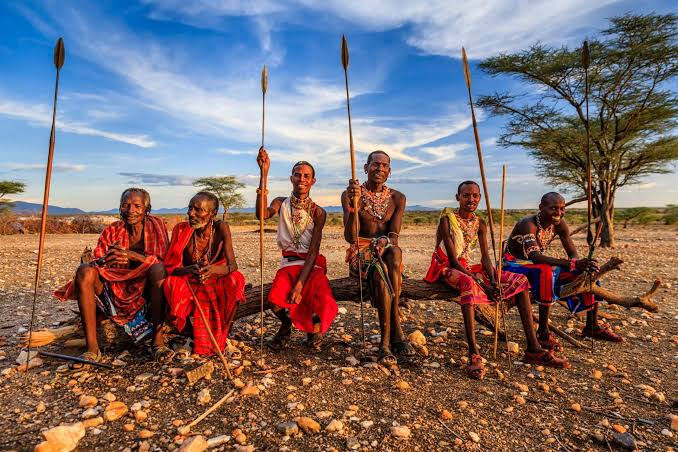
A responsibly organized community visit can introduce travellers to Samburu traditions, clothing, pastoral life and the community’s relationship with the surrounding landscape.
The experience should be respectful, authentic and beneficial to the participating community.
Cultural activities can be included on request without replacing essential wildlife-viewing time.
What Activities Are Available in Samburu?
Game drives are the main activity in Samburu National Reserve, with early mornings and late afternoons often providing productive wildlife viewing.
Depending on the selected accommodation and permitted area, a safari may also include birdwatching, photography, cultural visits, guided nature experiences or special meals in designated locations.
Every activity must follow reserve regulations and current safety conditions.
How Much Does a Samburu Safari Cost?
The price of a Samburu safari depends on the number of days, season, accommodation category, group size and whether travellers choose road transfers or domestic flights.
Luxury fly-in packages generally cost more, while private road safaris may offer better value for families and small groups.
A customized quotation provides the most accurate price for your dates and complete Kenya or Tanzania combination.
What Is Included in a Samburu Safari Package?
A customized Samburu safari package can include accommodation, meals, park or reserve fees, airport transfers, private game drives and the services of a professional guide.
Domestic flights, cultural activities and special experiences may also be included when specified in the itinerary.
International flights, visas, travel insurance, gratuities and personal expenses are normally excluded unless clearly stated.
What Should You Pack for a Samburu Safari?
Pack lightweight neutral clothing, comfortable closed shoes, a wide-brimmed hat, sunscreen, insect repellent and a reusable water bottle.
Samburu can be hot during the day, but mornings and evenings may feel cool, so bring a light jacket. Binoculars, sunglasses and a camera with a zoom lens are recommended for observing rare wildlife and birds.
Why Book Your Samburu Safari With View Africa?
View Africa Safari Experts creates private Samburu safari packages for families, couples, photographers and small groups.
We arrange professional guides, carefully selected accommodation, private safari vehicles, domestic flights and onward connections to the Masai Mara, Tanzania or Zanzibar.
Every itinerary is designed around your interests, comfort level, available time and preferred travel pace.
How Do You Book a Samburu Safari?
To book your Samburu safari, tell us your preferred travel dates, number of travellers, number of days and desired accommodation category.
Our safari experts will prepare a personalized proposal with suitable lodges, transport and destination combinations.
The itinerary can be adjusted before confirmation, making it easy to create a Samburu safari that reflects your expectations and budget.
Frequently Asked Questions About Samburu National Reserve
Is Samburu National Reserve worth visiting?
Yes. Samburu is worth visiting for its Special Five, elephants, big cats, beautiful river scenery and quieter atmosphere. It is particularly rewarding for travellers wanting to discover wildlife and landscapes beyond Kenya’s most frequently visited parks.
Is Samburu better than the Masai Mara?
Neither destination is universally better because they offer different experiences. Samburu is known for rare northern wildlife and arid scenery, while the Masai Mara offers expansive grasslands, abundant predators and seasonal migration viewing. A safari including both provides greater diversity.
How far is Samburu from Nairobi?
Samburu is approximately 310 kilometres from Nairobi. A road journey generally takes around five to seven hours, depending on traffic, stops and road conditions. Scheduled domestic flights provide a faster alternative.
What is the difference between Samburu and Buffalo Springs?
Samburu and Buffalo Springs are neighbouring reserves separated by the Ewaso Nyiro River and administered by different counties. They share a connected ecosystem and similar wildlife, although access between them depends on the selected route, reserve entry arrangements and river conditions.
Are the Big Five found in Samburu?
Samburu supports lions, leopards, elephants and buffaloes, while rhinos are not normally the reserve’s principal attraction. Travellers interested in rhinos can combine Samburu with destinations such as Ol Pejeta Conservancy or Lake Nakuru National Park.
Are there mosquitoes in Samburu?
Mosquitoes and other insects may be present, with conditions changing according to rainfall, location and season. Travellers should bring insect repellent, wear suitable clothing and obtain personalized medical advice about malaria prevention before visiting Kenya.
Is Samburu safe for tourists?
Samburu is an established safari destination, but visitors should travel with a reputable operator, follow their guide’s instructions and remain inside the vehicle unless they are in an authorized area. Current travel and health guidance should be checked before departure.
How many nights do you need in Samburu?
Two or three nights are ideal for most travellers. Three nights allow more game drives, better opportunities to search for the Special Five and enough time to enjoy the destination without rushing.
What is the closest airport to Samburu?
Several airstrips serve the wider Samburu ecosystem, and the best arrival point depends on the chosen lodge or camp. Safari operators normally select the flight and airstrip that provide the most convenient transfer to the accommodation.
Is Samburu suitable for a first Kenya safari?
Yes. Samburu offers excellent game viewing and rare animals, but first-time visitors may gain an even broader experience by combining it with the Masai Mara, Lake Nakuru or Amboseli National Park.


Comments