


Best Time for a Safari from Zanzibar: A Month-by-Month Guide
About 75% of our clients ask whether they can go on safari in Tanzania throughout the year.
The answer is yes! Every month offers something special, from changing landscapes to remarkable wildlife encounters.
But the best time for your safari depends on what you want to experience. In this month-by-month guide to safaris from Zanzibar, we’ll explore each season, what to expect and how to make the most of your adventure.
When Is the Best Time for a Safari from Zanzibar?
The best time for a safari from Zanzibar is generally June to October, when drier conditions make wildlife easier to spot.
However, the right month depends on the parks you want to visit and the experience you’re seeking.
January and February are excellent for the calving season in the southern Serengeti and Ndutu, while Tarangire is particularly rewarding during the dry season.
Safaris are possible throughout the year, with each season offering something different.

January: Short Dry Season and Green Landscapes
January offers a relatively dry break between the rainy seasons.
For travelers flying from Zanzibar, the southern Serengeti and Ndutu are rewarding choices as migrating herds gather on the plains.
It is a good month to combine wildlife viewing with a beach holiday.
February: Short Dry Season and Calving Season
February is a particularly exciting month for a southern Serengeti and Ndutu safari.
Wildebeest calving attracts predators, creating opportunities to observe both newborn animals and hunting behavior.
Choose a safari with enough nights near the southern plains rather than a rushed visit.
March: Transition into the Long Rains
March brings increasingly changeable weather as the long rains approach.
The southern Serengeti can still offer rewarding wildlife encounters, but your itinerary should allow flexibility.
This month suits travelers who appreciate green landscapes and do not mind occasional rain.
April: Long Rainy Season
April is usually among the wetter months.
A safari is still possible, but muddy roads and heavy showers can affect game drives and transfers.
Choose accessible accommodation and a carefully planned route, particularly if you have only a few days away from Zanzibar.
May: Long Rains and the Approach of Drier Weather
May remains part of the long rainy season, although conditions may improve toward the end of the month.
Expect lush scenery and variable road conditions.
Confirm that your selected lodge is operating and check access arrangements before finalizing your safari.
June: Beginning of the Long Dry Season
June marks the transition toward drier conditions, making it an appealing month for a northern Tanzania safari.
Tarangire, Ngorongoro and Serengeti can be combined according to your available time.
Mornings and evenings may feel cool, so pack a warm layer.
July: Dry Season and Popular Safari Departures
July is a strong choice for travelers seeking generally dry conditions and rewarding wildlife viewing.
For a short safari from Zanzibar, consider Tarangire and Ngorongoro.
For a migration-focused trip, allow more time and choose your Serengeti accommodation according to the herds’ latest movements.
August: Dry Season and Northern Serengeti Safaris
August is a popular month for exploring northern Serengeti in search of migrating herds and possible Mara River crossings.
Crossings are unpredictable, so several nights in the area are more sensible than expecting to see one during a brief visit.
September: Dry Season and Wildlife Around Water Sources
September is an excellent month to consider Tarangire, where dry conditions can concentrate wildlife around remaining water sources.
Northern Serengeti is another option for migration-focused travelers.
Your choice should reflect whether you prefer a short park combination or a longer fly-in adventure.
October: Late Dry Season and Changing Conditions
October often retains good dry-season wildlife viewing, although the short rains may begin.
Tarangire and Ngorongoro remain worth considering, while Serengeti itineraries should follow current herd movements.
Avoid choosing a migration camp solely from a fixed calendar.
November: Short Rainy Season and Fresh Scenery
November typically brings short rains that begin refreshing the landscape. Safaris remain possible, but rainfall and road conditions vary.
This is a month for flexible planning, with accommodation selected for reliable access rather than promises of uninterrupted sunshine.
December: Short Rains and the Return Toward the Southern Plains
December can offer green scenery as migrating herds move toward the southern Serengeti and Ndutu, depending on rainfall.
It is an appealing period for a festive safari and Zanzibar holiday, but confirm accommodation and flights before committing to your travel dates.
These seasonal patterns are a guide, not a forecast. Rainfall varies each year, and migration movements follow changing conditions rather than fixed dates

Which Months Suit Both a Zanzibar Beach Stay and a Mainland Safari?
June to October and January to February are generally the best months to combine a Zanzibar beach holiday with a mainland safari.
These periods offer a good balance of beach weather and rewarding wildlife viewing, although conditions vary by location.
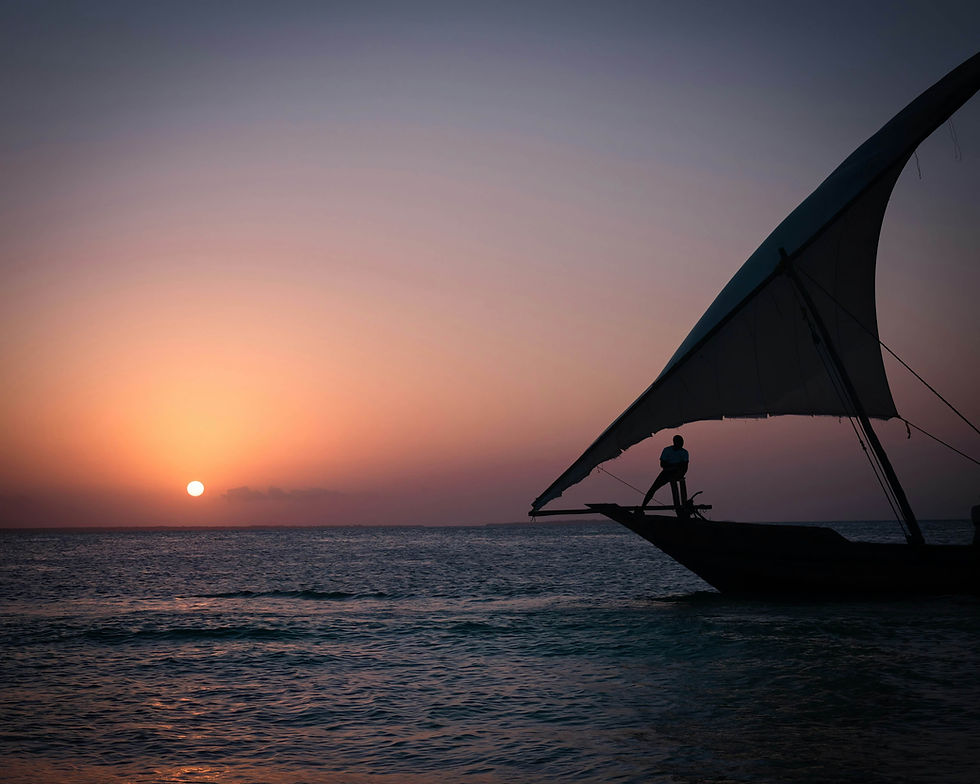
June to October: Beach Relaxation and Dry-Season Wildlife Viewing
During these months, mainland Tanzania generally has drier conditions, making wildlife easier to spot as vegetation thins and animals gather near water.
Tarangire, Ngorongoro and Serengeti are rewarding choices.
Zanzibar also experiences its main dry season, although coastal winds can make some beaches breezy, particularly from June to August.
January to February: Warm Beaches and Calving-Season Safaris
January and February typically bring hot weather to Zanzibar and a relatively dry spell in northern Tanzania.
These months are particularly rewarding for visiting Ndutu and the southern Serengeti, where wildebeest gather for the calving season.
February is especially popular for seeing newborn animals and predator activity.
Which Period Should You Choose?
Choose June to October for a classic dry-season safari and beach combination, or January to February for hot beach days paired with a calving-season adventure.
Neither period guarantees sunshine or particular wildlife sightings, so your route should reflect your interests and travel dates.
Safari from Zanzibar in February: Calving Season and Beach Relaxation
February is an excellent month for a safari from Zanzibar, particularly if you want to experience the wildebeest calving season in Ndutu and the southern Serengeti.
The green plains attract large herds, while predators follow closely, creating opportunities to observe newborn animals and dramatic wildlife encounters.
Calving dates and sightings depend on rainfall and animal movements.
For this experience, choose a multi-day safari with overnight stays near the southern plains.
Flying from Zanzibar to a suitable airstrip can reduce road travel and give you more time for game drives.
If you have only two or three days, Tarangire and Ngorongoro offer a shorter alternative.
However, this route does not include the Serengeti calving grounds.
February also typically brings hot beach weather to Zanzibar, making it appealing for combining wildlife adventures with relaxation.
Pack light clothing, sun protection and a warm layer for early safari mornings.


Can You Enjoy a Safari from Zanzibar During the Rainy Season?
Yes, a safari from Zanzibar is possible during the rainy season, with green landscapes, rewarding birdwatching and wildlife to enjoy.
However, your experience depends on the parks you visit and whether you travel during the long or short rains.
The long rains, usually from March to May, can bring heavy showers and muddy roads that affect game drives and transfers. Some seasonal camps close, so choosing accessible accommodation and allowing flexibility in your itinerary is important.
The short rains, generally from November to December, often bring showers between dry periods, although heavier rainfall is possible. Safaris can still be rewarding, with fresh vegetation and changing wildlife movements.
Some lodges may offer lower seasonal rates, but savings are not guaranteed across flights, park fees and accommodation.
If you are combining your safari with Zanzibar, consider the beach conditions too, particularly during the wetter months of April and May.
At View Africa Safari Experts, we can help you choose suitable parks and accommodation for your dates, with realistic advice about weather and travel conditions.
How Far Ahead Should You Book a Serengeti Safari from Zanzibar?
Start planning 6–12 months before travel, but let your priorities determine how early you book.
If you want a particular migration camp, family room or holiday departure, enquire earlier.
If your dates and accommodation are flexible, a shorter booking window may still work.
For a safari starting in Zanzibar, the important question is not simply, “Is there a room available?” It is, “Do the room, flight and safari location work together?”
Before confirming, consider three things:
The right Serengeti area: A camp suitable for a northern migration safari may be poorly positioned for February’s southern calving grounds.
The right arrival airstrip: Choose flights around your safari route, rather than booking a convenient flight and discovering that your camp requires a lengthy transfer.
Enough time on safari: Check how much game-drive time remains after arrival and before departure.
Two itineraries advertised as “three days” can offer different amounts of wildlife viewing.
Already booked your Zanzibar hotel?
Share those dates before reserving the safari. Coordinating both stays can help you avoid paying for an unused beach room while you are on the mainland.
Our advice: book the experience as one connected journey, not as separate pieces.
Send View Africa Safari Experts your Zanzibar dates, preferred wildlife experience and number of travelers so we can check a suitable combination before you commit.


How Does the Best Time Change Between Tarangire, Ngorongoro and Serengeti?
Tarangire is strongly influenced by water availability, Ngorongoro Crater offers rewarding wildlife viewing year-round, and Serengeti requires matching your chosen area to the experience you want.
This is why the same travel month can lead to three different safari recommendations.
Tarangire: Choose the Dry Season for Wildlife Around Water
June to October is generally the strongest period for classic Tarangire wildlife viewing.
As the landscape dries, remaining water sources attract animals, creating opportunities to watch elephants and other wildlife gathering to drink.
For someone taking a short safari from Zanzibar, this makes Tarangire an appealing choice: you can focus on wildlife viewing without needing to follow migrating herds across the much larger Serengeti.
During wetter months, the park becomes greener and animals can spread more widely, changing how your guide searches for them.
Ngorongoro Crater: Let Your Travel Dates Shape the Scenery
Ngorongoro Crater is less dependent on one particular wildlife season. Its resident animals make game viewing rewarding throughout the year, so you do not need to time your entire holiday around a migration event.
Instead, think about the conditions you prefer.
Drier months generally make travel more straightforward, while rainy periods bring greener scenery but can mean wet access roads and mist around the rim.
Pack a warm layer regardless of the month: an early morning above the crater can feel very different from your Zanzibar beach hotel.
Serengeti: Choose the Area Before Choosing the Camp
For Serengeti, “Which month?” is only half the question.
The other half is, “Which part of the ecosystem?”
January and February are particularly rewarding for calving-season trips around the southern plains and Ndutu.
Later in the year, migration-focused itineraries shift toward western and northern areas as the herds move.
The calendar is approximate, so accommodation should reflect current movements rather than a promise of sightings.
A beautiful camp in the wrong area may leave you far from the wildlife experience you hoped to see.
For a fly-in safari from Zanzibar, choose the safari area, camp and arrival airstrip together.
The practical takeaway: build your itinerary around what matters most to you.
Choose Tarangire for dry-season wildlife gatherings, Ngorongoro for a year-round crater experience, and a carefully positioned Serengeti stay for migration or calving.


What Changes During the Rainy Season?
The rainy season changes how you experience a safari, not simply whether you can go.
Landscapes become greener, animals have more places to find water, and road conditions can influence your daily plans. Here is what that means for your trip:
Wildlife becomes less concentrated. With more water and fresh grazing available, some animals spread out rather than gathering around the same waterholes.
Your guide may spend more time searching, and thicker vegetation can make sightings harder to spot.
Game drives need more flexibility. A route that is straightforward in dry weather may become muddy after heavy rain.
Your guide may change the order of activities or use different tracks, so a flexible itinerary matters more than a tightly packed schedule.
Accommodation access becomes important. Before choosing a remote camp, check whether it operates during your dates and how it is reached.
The right location is not only about nearby wildlife; it is also about getting there comfortably.
The scenery offers a different reward. Fresh grass, dramatic clouds and birdlife give the safari a different character.
For photographers, these conditions can be appealing, although showers may interrupt time outdoors.
Your Zanzibar plans need consideration too. A rewarding mainland safari does not guarantee ideal beach weather.
Allow some breathing room between your safari return and an international flight, and pack waterproof protection for your camera, phone and travel documents.
The key is to plan around the conditions rather than expect a dry-season itinerary to work exactly the same way.

How Far Ahead Should You Book Flights and Lodges?
Aim to book flights and lodges together around 6–12 months before your safari, particularly for popular travel dates or specific accommodation.
This is a planning guideline, not a deadline: shorter-notice trips may still be possible if you are flexible.
For a safari from Zanzibar, availability needs to fit together. A lodge may have a room, but the suitable flight could be full.
Equally, an available flight may arrive at an airstrip far from your chosen camp.
Start earlier if your plans include:
Migration-focused camps or February’s calving season.
Christmas, New Year or school-holiday departures.
Family rooms, several rooms together or a particular lodge.
Fixed Zanzibar hotel dates with little flexibility.
Before paying, ask your operator to confirm the flight, arrival airstrip, lodge and transfers as one connected itinerary.
Also check how long any provisional reservation will be held and when the deposit is due.
Already traveling soon? Enquire before giving up.
Being open to a different camp, departure time or nearby travel date can create options.
Confirm your safari arrangements before making non-refundable changes to your Zanzibar stay.

When Is the Best Time for a Family Safari and Zanzibar Holiday?
June to October and January to February are generally the best periods for a family safari and Zanzibar holiday, offering a good balance of mainland wildlife viewing and beach weather.
The right choice also depends on your children’s ages, school holidays and how much traveling you want to include.
June to October: Dry-Season Safaris and School-Holiday Adventures
These months generally bring drier conditions to northern Tanzania.
Tarangire and Ngorongoro are practical choices for a shorter family safari, while Serengeti suits families who can allow more time for wildlife viewing and transfers.
July and August often fit school holidays, but popular family rooms can be in demand. Zanzibar offers beach relaxation after the safari, although some coastlines can be windy, particularly from June to August.
January to February: Calving-Season Experiences and Warm Beach Days
For families interested in newborn wildlife, January and February are rewarding months to explore Ndutu and the southern Serengeti.
The calving season offers opportunities to observe young animals and predator behavior, although sightings are never guaranteed.
Zanzibar is typically hot during this period.
Plan shade, drinking water and breaks into your beach days, especially when traveling with younger children.
For Younger Children, the Route Matters as Much as the Month
A comfortable family holiday is not only about choosing the driest season.
Shorter transfers, flexible game drives and suitable rooms can make a bigger difference to your children’s enjoyment than adding another park.
For a safari from Zanzibar, consider a short Tarangire–Ngorongoro itinerary or a longer fly-in Serengeti stay, depending on your family’s interests.
Check each lodge’s minimum age, room arrangements and pool safety before booking.
At View Africa Safari Experts, we help families match their travel dates with a manageable safari route and time to relax in Zanzibar. Share your children’s ages, available days and preferred month so we can suggest a suitable combination.

How Can You Book or Get Advice from Our Safari Experts?
Have your travel dates in mind but still unsure which parks to visit? Contact View Africa Safari Experts for advice tailored to your travel month, budget and interests.
Share your preferred dates, number of travelers and available safari days, and our team will help you choose a suitable safari from Zanzibar.
Message us on WhatsApp to request an itinerary and quotation, or follow us on Instagram for wildlife moments and safari inspiration.


Comments