


Premium Masai Mara Safari Guide 2026/2027
The Masai Mara National Reserve is Kenya’s most famous safari destination, celebrated for remarkable big-cat sightings, the Great Wildebeest Migration and the dramatic Mara River crossings.
Connected to Tanzania’s Serengeti, the reserve offers exceptional wildlife viewing, beautiful savannah landscapes and premium safari experiences throughout the year.

Why Should You Visit the Masai Mara?
The Masai Mara offers one of Africa’s richest and most exciting wildlife experiences. Its open grasslands support lions, leopards, cheetahs, elephants, buffaloes and large herds of plains animals.
Travellers can enjoy private game drives, luxury tented camps, hot-air balloon safaris and meaningful cultural experiences, making the Mara suitable for photographers, families, honeymooners and wildlife enthusiasts.
Where Is the Masai Mara Located?
The Masai Mara National Reserve is located in Narok County in southwestern Kenya, along the border with Tanzania.
It forms the northern continuation of the Serengeti ecosystem, allowing wildlife to move naturally between the two countries. Its location makes the Mara an essential destination for Kenya safaris and combined Kenya and Tanzania itineraries.
What Is the Masai Mara Famous For?
The Masai Mara is famous for the Great Wildebeest Migration, dramatic Mara River crossings and outstanding populations of lions, leopards and cheetahs.
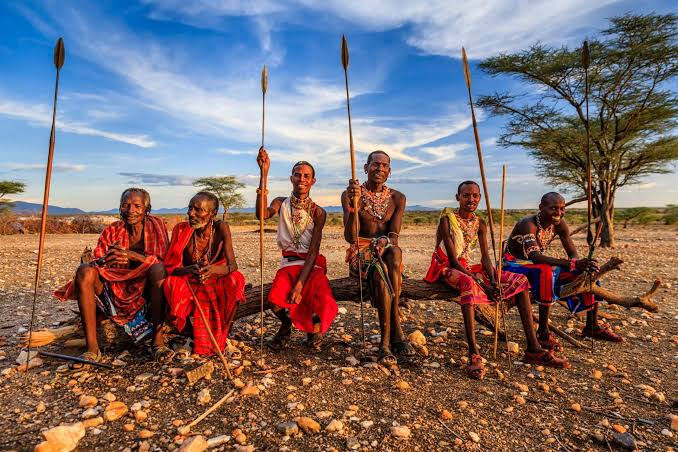
It is also known for its golden plains, abundant year-round wildlife and strong Maasai cultural heritage. The wider ecosystem includes the main reserve, the Mara Triangle and community-managed conservancies.
Which Animals Can You See in the Masai Mara?
Wildlife in the Masai Mara includes lions, leopards, cheetahs, elephants, buffaloes, giraffes, zebras, wildebeest, hippos, crocodiles, hyenas, jackals and numerous antelope species.
Black rhinos are also present but are less frequently encountered.
The reserve’s predator population and open terrain make it one of Africa’s finest destinations for observing natural wildlife behaviour.
When Is the Best Time to Visit the Masai Mara?
The Masai Mara provides rewarding game viewing throughout the year.
July to October is the most popular period because migrating wildebeest and zebras may arrive from the Serengeti and attempt to cross the Mara River.
December to March also offers excellent resident wildlife, newborn animals and big-cat activity, while greener months provide beautiful scenery, birdwatching and fewer safari vehicles.
When Can You See the Great Migration in the Masai Mara?
The Great Migration normally reaches the Masai Mara between July and October, although the exact timing changes according to rainfall and grazing conditions.
River crossings are unpredictable and cannot be guaranteed on a particular day.
A carefully planned itinerary with several nights near the migration areas provides a better opportunity to follow the herds and potentially witness a crossing.
How Many Days Are Recommended in the Masai Mara?
Three to four days are recommended for a complete Masai Mara safari.
This allows enough time for morning and afternoon game drives, different wildlife areas and a possible hot-air balloon experience without rushing.
Two days can provide a shorter introduction, while longer stays are ideal during the migration season or for travellers interested in wildlife photography.
How Do You Travel From Nairobi to the Masai Mara?
Travellers can reach the Masai Mara from Nairobi by road or scheduled safari flight.
The road journey generally takes approximately five to six hours, depending on traffic, road conditions and the location of the camp.
Flying is faster and connects Nairobi with several Mara airstrips, making it attractive for luxury travellers or guests with limited time.
Can the Masai Mara Be Combined With the Serengeti?
Yes, the Masai Mara and Serengeti are among the best destinations to combine in one East African safari.
Although the protected areas share the same ecosystem, travellers cannot simply drive across the park boundary.
Road itineraries normally pass through the Isebania–Sirari border, while regional flight connections can also be arranged according to schedules and immigration requirements.
Can the Masai Mara Be Combined With Amboseli?
Yes, combining the Masai Mara with Amboseli creates a diverse Kenya safari.
The Mara is renowned for big cats and the Great Migration, while Amboseli offers large elephant herds and spectacular views of Mount Kilimanjaro.
Travellers can connect the destinations by road through Nairobi or use scheduled safari flights when available.
Where Should You Stay in the Masai Mara?
Accommodation is available inside the national reserve, within the Mara Triangle and in surrounding private conservancies.
Options range from comfortable mid-range camps to exclusive luxury lodges and premium tented suites.
Properties inside the reserve provide convenient access to game drives, while selected conservancies may offer greater privacy and additional activities. The best location depends on the season, budget and preferred safari style.
Is the Masai Mara Suitable for Families and Children?
Yes, a private Masai Mara safari can be customized for families travelling with children.
Family rooms, child-friendly camps, flexible game-drive times and professional guides experienced with younger travellers can be arranged.
A private vehicle allows families to control the pace of each day, take breaks when necessary and create an enjoyable educational wildlife experience.
What Activities Can You Experience in the Masai Mara?
Popular Masai Mara activities include morning and afternoon game drives, full-day wildlife safaris, birdwatching, photography and sunrise hot-air balloon flights.
Respectful visits to Maasai communities can also be arranged.
Selected private conservancies may offer guided walks, night drives and private bush meals, subject to local regulations and the services provided by each camp.
How Much Does a Masai Mara Safari Cost?
The cost of a Masai Mara safari depends on the season, number of nights, group size, accommodation level and whether travellers arrive by road or flight.
Migration-season travel and premium camps generally cost more, while group travel and mid-range accommodation can reduce the price per person.
A personalized quotation should clearly show park fees, transportation, meals, accommodation and included activities.
What Should You Pack for a Masai Mara Safari?
Recommended items include lightweight neutral-coloured clothing, comfortable shoes, a hat, sunglasses, sunscreen, insect repellent and a warm jacket for early morning game drives.
Travellers should also bring binoculars, camera equipment, personal medication and essential travel documents.
Soft-sided luggage is recommended for safari flights because smaller aircraft have limited baggage capacity.
Why Book Your Masai Mara Safari With View Africa?
View Africa Safari Experts creates private Masai Mara safaris based on your dates, interests, group size, preferred accommodation and budget.
Our team arranges professional guides, private safari vehicles, park fees, airport transfers and carefully selected camps.
We can also combine the Mara with Amboseli, Serengeti, Ngorongoro Crater and Zanzibar for a complete East African experience.
Frequently Asked Questions About the Masai Mara
Travellers commonly ask when to see the Great Migration, how many days to stay, whether river crossings are guaranteed and how to travel from Nairobi.
They also ask about accommodation, family safaris, balloon flights and connections to Tanzania.
Because seasons and travel plans differ, our experts provide personalized advice and create an itinerary that offers enough time to enjoy the Mara without rushing.


Comments